
Wading into life!
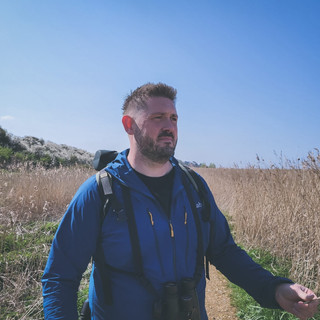
4 years ago, I started the hashtag #WaderWednesday on Twitter (at the time), it was designed to raise awareness of the diversity beauty and ecological necessity of Wading Birds around the world. It also served to highlight the peril these birds face in life! From migration pressures, human shooting and hunting, human development, catastrophic habitat loss and many many other things.
So why Waders? I grew up in Portsmouth, my Godfather got me into birding and would always take me to the lake at Farlington Marshes on high tide when he was down. Naturally this meant that I cut my teeth so to speak with Wading birds. After a teenage hiatus, I returned to birding in my mid 20s, I was devastated by the difference in bird numbers from when I was a kid. Redshank flocks seemed to be a fraction of what they were, Black Tailed Godwit too, were a shadow of what they used to be and Lapwing.... wow! Where did they go?? This manifested in my interest becoming something more and me wanting to make a positive impact for these birds.
I started ringing in 2013 and my trainer happened to have a keen interest in colour ringing waders as part of his studies of the local birds. This deepened my interest further. I not only ringed the birds but I actively started going out with the sole intention of finding, reading and reporting colour ring combinations. Its fascinating, there is an 18 year old Black Tailed Godwit that breeds in Iceland and winters in Langstone Harbour, a Scottish breeding Greenshank that comes to Southmoor for the winter and a Common Sandpiper that winters at Farlington Marshes but breeds in the same ditch in Norway every year. To me, this is what birding is, enjoying the birds but also giving something back for the hours of joy they have brought me. Furthering our understanding aids in their conservation and targets efforts and resources to best do this.
Wading birds play a crucial role in the delicate balance of UK coastal ecosystems. They contribute significantly to the health and sustainability of these environments through various ecological, biological, and even cultural aspects. Ecologically, wading birds serve as key indicators of ecosystem health. Their presence or absence can signal changes in water quality, habitat conditions, and overall ecosystem stability. For instance, the decline of certain wading bird species may indicate pollution or habitat degradation, prompting conservation efforts to address these issues.
Biologically, wading birds contribute to the regulation of prey populations, such as small invertebrates and fish, helping to maintain a diverse and balanced ecosystem. Their foraging behaviors prevent the overpopulation of certain species, preventing potential cascading effects on the food web. Moreover, wading birds often disperse seeds, inadvertently aiding in the regeneration of plant life and promoting biodiversity along coastal areas.
The cultural significance of wading birds in the UK is deeply rooted in local traditions, folklore, and even tourism. Many coastal communities have historical connections to these birds, with some species being emblematic of specific regions. Birdwatching enthusiasts flock to coastal areas to witness the graceful movements of wading birds, contributing to local economies through ecotourism.
In terms of habitat conservation, wading birds are essential for maintaining the delicate balance of estuarine ecosystems. Their presence helps control the populations of prey species, preventing overgrazing and promoting the health of marshes and mudflats. These habitats, in turn, provide critical breeding and feeding grounds for numerous other species, creating a web of interconnected relationships within the coastal environment.
Wading birds are also instrumental in nutrient cycling within coastal ecosystems. Through their activities, such as probing and stirring up sediments, they contribute to the recycling of nutrients, enhancing soil fertility and supporting the growth of vegetation. This, in turn, sustains a complex network of life, from microorganisms to larger fauna.
Climate change adds another layer of significance to wading birds in UK coastal ecosystems. As temperatures rise and sea levels change, these birds face new challenges in adapting to altered habitats and food availability. Studying their behaviour and migratory patterns can provide valuable insights into the impacts of climate change on coastal ecosystems, aiding in the development of effective conservation strategies. Wading birds are not merely elegant inhabitants of UK coastal areas; they are vital components of a finely tuned ecological orchestra. Their presence signifies the health and resilience of these ecosystems, making their conservation a matter of both environmental and cultural importance. As stewards of the coastal environment, it is our responsibility to recognize and appreciate the role these birds play and actively work towards ensuring their continued presence for generations to come.
So join me, share your pictures, videos, experiences of our Wonderful Wading Wonders using the hashtag #WaderWednesday across social media and lets champion these magnificent birds together!!


Comments